
Marketing mix modeling (MMM) for people who aren't data analysts
What you'll get
The basics of MMM in plain language — what the model can and can't do, and five steps to start without a data analyst.
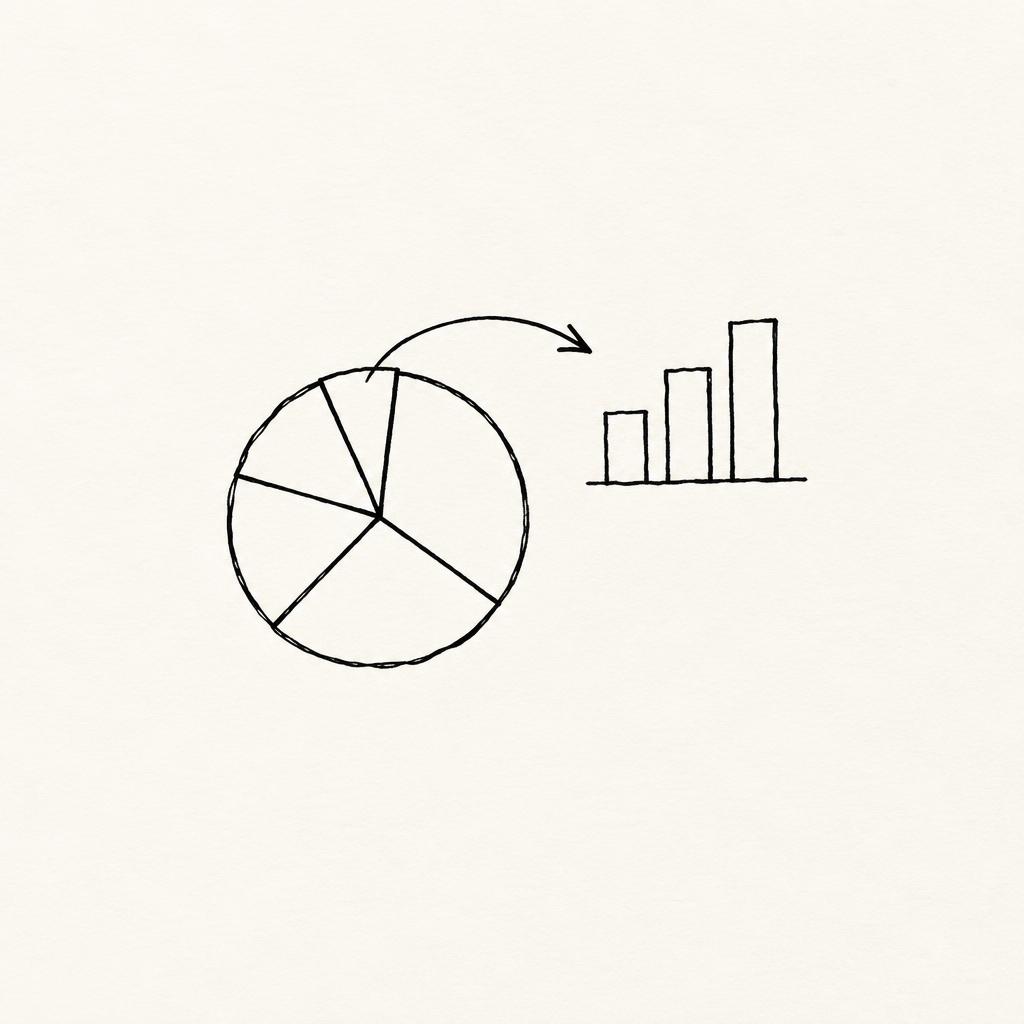
Marketing mix modeling, MMM, has long been something for companies with analytics departments and media budgets with an extra zero. Not anymore. The tools have become cheaper, the data requirements lower, and at the same time the old way of measuring — click-based attribution — has stopped working. Here's what MMM actually is, without a single equation.
The problem it solves
The classic question in marketing has been: which click earned the sale? Attribution answered it, as long as the journey actually went through clicks. It no longer does. Around 60 per cent of Google searches end without a click. Research happens in AI chats that never visit your site. Privacy rules darken a growing share of the journey. So the question shifts from "which click" to a more honest and harder one: how much does each channel actually contribute?
What MMM actually does
A mix model reads your history and tries to explain sales. Roughly: sales = base + season + price + each channel's contribution. The model takes that sum apart and estimates how much each channel contributed, one at a time. Three things come out that are genuinely useful: channel-level ROI, meaning which channels paid for themselves; response curves, meaning how much the next million in a channel is likely to deliver; and the ability to simulate, meaning you test a budget shift in the model before making it in reality.
Why now
Three things have changed. First, the signals are disappearing: consent requirements and privacy rules mean fewer clicks can be tracked, and what is measured becomes a smaller and smaller share of reality. Second, research is moving: when a buyer asks an AI chat instead of searching, there is no click to attribute to anyone. Third, media budgets are under harder scrutiny than they've been for years: the CFO's question isn't which channel got the click but which channel creates growth, and that question needs a channel-level answer.
What it can — and can't — do
MMM is good at three things: answering at channel level, handling offline, and being honest about channels with no trackable click data — out-of-home, radio, brand building. It's bad at three things: it says nothing about the quality of what you put out (the model sees the channel, not the idea); it becomes unreliable with too little history — count on at least two, ideally three years of weekly data; and it shows correlations, not causes. A model that looks backwards can never speak for a channel you've never tested.
Five steps without hiring an analyst
One: collect weekly data. Sales per week, spend per channel, and whatever price and seasonality data you have. Two to three years back is gold. Two: start with three channels. A model with fifteen variables and two years of data is guesswork in a suit. Three: use open-source tools — Meta's Robyn and Google's Meridian are free, documented, and what the industry builds on. Four: validate against reality. Run a geo-test or a channel pause and compare with what the model believes; if they disagree, trust the experiment. Five: decide on a rhythm. A mix model that isn't used for budget decisions at least once a quarter is a report, not a tool.
An honest caveat
MMM shows averages, not lift. It will tell you a channel contributed X on average, but not whether the next campaign in that channel did any good. So: combine the model with experiments, and don't strangle long-term brand building just because the model can't see the effect directly — that's exactly the mistake Binet and Field documented. MMM is a compass, not a GPS. The compass goes a long way, as long as you remember it tells you the direction, not the road.
Sources
- 01
- 02
- 03
More to read